

ANTHONY WINGFIELD II
My background is rooted in creativity, visual communication, and hands-on design experience. My journey in design has allowed me to work across many creative areas, including graphic design, branding, apparel design, embroidery, signage, print production, and marketing materials. Through these experiences, I have developed a strong understanding of how art and design can be used to communicate ideas, solve problems, and connect with people in meaningful ways.
As an educator, I want to use my professional experience to help students see the real-world value of art and creativity. I believe students learn best when they are encouraged to explore, ask questions, take creative risks, and build confidence in their own ideas. My goal is to create a classroom environment where students feel supported, respected, and inspired to grow both artistically and personally.
I am passionate about helping students understand that art is more than a finished project. It is a process of thinking, experimenting, problem-solving, and self-expression. By connecting classroom learning to real design experiences, I hope to help students develop practical skills, creative confidence, and a deeper appreciation for the role art plays in everyday life.


My approach to middle school art education is centered on creativity, confidence, and growth. I believe art gives students a powerful way to express themselves, explore their ideas, and develop problem-solving skills that extend far beyond the classroom. At the middle school level, students are discovering who they are, how they learn, and how they see the world. My goal is to create a classroom environment where they feel safe to experiment, make mistakes, ask questions, and take pride in their progress.
I believe every student can be successful in art when they are given clear instruction, meaningful practice, and encouragement. My lessons are designed to build foundational skills in drawing, painting, design, color theory, composition, and visual communication while also allowing room for personal voice and creative choice. I want students to understand not only how to create art, but why art matters.
As both an educator and a designer, I bring a real-world perspective into the classroom. I help students connect art to careers, culture, technology, branding, media, and everyday life. Whether students are sketching, designing, painting, or working on digital projects, I encourage them to think like artists and designers by observing closely, planning thoughtfully, and reflecting on their work.
My classroom values effort, respect, curiosity, and creative risk-taking. I aim to meet students where they are, support different learning styles, and help each student build confidence in their abilities. Above all, I want my students to leave my classroom with stronger artistic skills, a deeper appreciation for creativity, and the belief that their ideas have value.


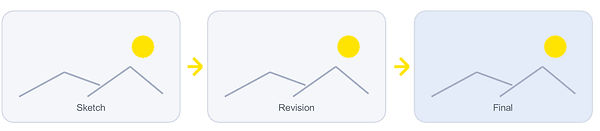
Sample Teacher Feedback
-
Strong symbol idea.
-
Simplify the shape.
-
Increase contrast, and make the lettering easier to read from across the room.

Student Reflection Prompts
-
What idea were you trying to communicate?
-
What changed from sketch to final?
-
What is one skill you improved?
-
What would you revise next time?

ART ROOM EXPECTATIONS
-
Respect People and Artwork
-
Use Materials Safely
-
Try, Revise, and Improve
-
Clean Your Space
-
Ask Before Using Equipment
-
Use Critique Language Kindly
DAILY ROUTINE
1. Enter and Review Objective
2. Demonstration / Mini Lesson
3. Studio Work Time
4. Checkpoint or Critique
5. Cleanup and Exit Reflection
MATERIAL SYSTEMS
-
Labeled Supply Stations
-
Table Caddies
-
Tool Checkout
-
Cleanup Roles
-
Inventory List
-
Project Drying/Storage Areas
SAFETY PLAN
-
Scissors, blades, adhesives
-
Paint and ink handling
-
Printer/cutter rules
-
Cleaning supplies
-
Emergency procedures
-
Supervised equipment use
POSITIVE CULTURE
-
Clear Expectations
-
Encouragement For Beginners
-
Respectful Critique
-
Student Choice
-
Calm Redirection
-
Growth Mindset Language
Portfolio

